Farm Jobs in Canada 2026: Your Ultimate Guide to Opportunities, Salaries, Visa Sponsorship, and More
Hey there! If you’ve ever pictured yourself trading city hustle for fresh country air, wide fields, and the kind of work that leaves you tired but fulfilled, farm jobs in Canada might be exactly what you’re looking for. In 2026, Canada’s agriculture scene is hungry for workers—literally. With ongoing labor shortages, aging farmers retiring, and demand for food staying strong, farms across the country are hiring like crazy. Many roles come with visa sponsorship, free or cheap housing, and even paths to permanent residency.
Whether you’re a total newbie or have some experience under your belt, this guide breaks it all down. We’ll cover the types of jobs, what you can earn, how to apply (especially if you’re international), the best provinces to target, and the real talk about the pros and cons. Let’s dig in!
Why Farm Jobs in Canada Are Booming in 2026
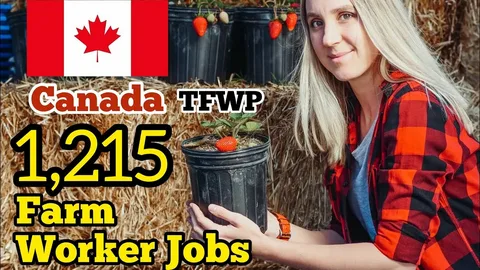
Canada’s ag sector is one of the economy’s powerhouses, producing grains, dairy, fruits, veggies, livestock—you name it. But right now, there’s a big gap: not enough locals want these hands-on roles, especially in rural areas. Reports show thousands of openings, with sites like Indeed listing over 2,000 visa-sponsored farm jobs and Job Bank showing hundreds in livestock alone.
Programs like the Seasonal Agricultural Worker Program (SAWP) and Temporary Foreign Worker Program (TFWP) make it easier for internationals to jump in. In 2026, updates include clearer rules on accommodations, updated airfare deductions, and minimum wages (like $17.60/hour in Ontario for SAWP). Peak hiring ramps up January to April, so timing matters!
If you’re dreaming of a fresh start abroad, these jobs offer more than just pay—they’re a gateway to Canadian life.
Types of Farm Jobs Available in Canada
The variety is huge, from seasonal gigs to year-round roles. Here’s the main breakdown:
General Farm Workers and Crop Roles
These are entry-level staples—planting, weeding, harvesting, irrigating. Think veggies, grains, or field crops. Many involve basic machinery or even tech like drones for monitoring.
Fruit Picking and Greenhouse Work
Super popular for seasonal workers! Head to orchards for apples, berries, or cherries, or greenhouses for year-round veggies. British Columbia’s Okanagan or Ontario’s Niagara regions are hotspots. These often run spring to fall.
Livestock and Animal Care Jobs
Love animals? Roles include feeding, milking cows, herding cattle, or tending pigs/chickens. Dairy farms in Quebec or beef ranches in Alberta need reliable hands. Many are full-time with overtime during busy seasons.
Horticulture, Nursery, and Specialized Roles
Growing plants, flowers, or trees in controlled environments. Some need experience, but entry spots exist. Tech-savvy folks might eye agronomy or farm management gigs, which pay more.
Niche areas like aquaculture (fish farming) or organic/sustainable farms are growing too.
Salary Expectations and Benefits in 2026
Money talks, right? Farm wages are solid, especially with low rural living costs.
Entry-level farm workers earn $16–$28 per hour (averaging around $20–$22/hour nationally). Full-time (40–48 hours/week) means $2,400–$3,800 monthly before taxes. Overtime during harvest can push it higher—some report big boosts!
Annual figures:
- Beginners: $30,000–$45,000
- Experienced/specialized: $50,000–$65,000+
- Top provinces like British Columbia or Alberta often pay more (up to $47,000+ average in BC).
Benefits sweeten the deal:
- Free/low-cost on-farm housing
- Meals sometimes included
- Health coverage via provincial plans
- Transportation help for seasonal workers
Under SAWP/TFWP, you’re guaranteed minimum wage, safe conditions, and protections. After a year in eligible roles, the Agri-Food Pilot can lead to permanent residency—no joke!
Visa Sponsorship and Requirements for International Workers
Not Canadian? No problem—many jobs sponsor visas.
Key Programs
- SAWP: For folks from Mexico, Caribbean countries—up to 8 months, often with housing and partial airfare covered. 2026 updates include better travel rules.
- TFWP: Broader, employer-specific work permits via LMIA (proving no Canadian available). Great for non-SAWP countries.
Basic Requirements
- 18+ years old
- Physically fit (lifting 50+ lbs, long hours outdoors)
- Basic English/French
- No degree needed for most entry roles—training provided!
How to Apply
- Get a job offer (key for sponsorship).
- Employer handles LMIA.
- Apply for work permit via IRCC—include biometrics, possible medical.
- Medical exam and proof of funds sometimes needed.
Apply 4+ months early. No IELTS for many ag roles!
Best Provinces for Farm Jobs in 2026
Each province has its vibe:
- Ontario: Most openings—greenhouses, fruits, veggies. Niagara and Kingsville rock.
- British Columbia: Berries, orchards, mild weather. Higher pay often.
- Quebec: Dairy and livestock heaven. French helps!
- Alberta/Saskatchewan: Grains, cattle—wide-open prairies.
- Manitoba & Maritimes: Smaller farms, tight-knit communities.
Search Job Bank, Indeed, or agencies for province-specific listings.
How to Find and Land Farm Jobs
Start here:
- Job Bank (jobbank.gc.ca) — Filter for “farm worker” + visa-eligible.
- Indeed/Glassdoor/LinkedIn — Search “farm visa sponsorship Canada 2026”.
- Agencies specializing in ag recruitment.
Tailor your resume: Highlight physical work, reliability. Cover letter? Share why Canada excites you and mention sponsorship needs.
Interviews often virtual—talk stamina, teamwork. Nail it, and you could be on a farm by summer!
The Realities: Pros, Cons, and Tips for Success
It’s rewarding but tough.
Pros:
- Fresh air, nature, accomplishment from harvests
- Global coworkers, new culture
- Pathway to PR
- Low living costs
Cons:
- Long hours (50–60+ in peak season)
- Weather-dependent, physical strain
- Rural isolation, bugs/mud
- Homesickness if far from family
Tips: Pack layers, learn basic machinery, join Facebook groups for farm workers. Focus on safety and sustainable practices to stand out.
Final Thoughts: Is a Canadian Farm Job Right for You?
In 2026, farm jobs in Canada aren’t just work—they’re an adventure with real earning potential, support for internationals, and a shot at building a future here. If you’re ready to work hard and embrace the outdoors, this could change your life.
Dust off that resume, start browsing listings, and apply early. Got questions or your own farm stories? Drop them below—I’d love to chat!