Factory Worker Jobs in USA (2026 Guide): Salaries, Visa Options, Overtime Pay & How to Get Hired
Factory worker jobs in the USA are often misunderstood. Some people think they’re low-paying, unstable, and physically exhausting with no future. Others assume they’re an easy path to a U.S. visa. Both assumptions are wrong.
Manufacturing in America is a multi-trillion-dollar industry. From automotive plants to food processing, electronics assembly to heavy machinery production — factories are still a backbone of the U.S. economy. The real question isn’t whether jobs exist. The question is: which factory jobs pay well, which qualify for visa sponsorship, and how do you position yourself to get hired?
This guide covers everything in detail:
-
Types of factory worker jobs in the USA
-
Salary expectations in 2026
-
States with highest demand
-
Visa sponsorship realities
-
Overtime and shift structures
-
Cost of living vs wages
-
Step-by-step hiring strategy
-
Career growth opportunities
Let’s break it down properly.
Why Factory Jobs Are in Demand in the USA
The U.S. government has pushed domestic manufacturing expansion over the past few years. Industries such as automotive, semiconductor production, food processing, and heavy equipment manufacturing have expanded operations.
Major manufacturing employers include:
-
Tesla
-
Ford Motor Company
-
General Motors
-
Boeing
-
Tyson Foods
These companies operate large-scale facilities across multiple states.
Manufacturing labor shortages in certain regions mean consistent hiring, especially for skilled machine operators and technicians.
Types of Factory Worker Jobs in the USA
Not all factory roles are equal. Some are entry-level. Others require technical skills and pay significantly more.
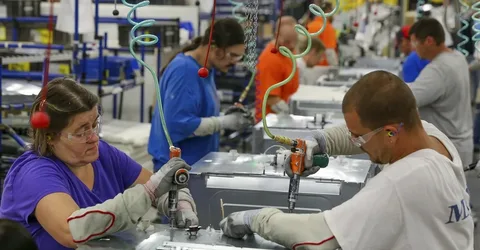
1. Assembly Line Worker
Salary: $28,000 – $40,000 per year
Hourly Rate: $14 – $20
Responsibilities:
-
Assembling products
-
Quality checks
-
Operating basic machinery
Entry-level, physically repetitive, but stable.
2. Machine Operator
Salary: $35,000 – $55,000
Requires:
-
Training on industrial machines
-
Mechanical understanding
-
Safety compliance knowledge
This role pays better than basic assembly.
3. Forklift Operator (Warehouse/Factory)
Salary: $32,000 – $48,000
Certification required. Overtime common.
4. Quality Control Inspector
Salary: $40,000 – $65,000
Ensures production standards are met. Requires attention to detail and often technical training.
5. Maintenance Technician
Salary: $50,000 – $75,000+
High demand. Requires electrical or mechanical skills.
This is where factory work becomes financially attractive.
6. Production Supervisor
Salary: $60,000 – $90,000
Manages teams, ensures output targets, oversees safety compliance.
Highest Paying States for Factory Workers
1. Michigan
Automotive hub due to companies like Ford Motor Company and General Motors.
Average wages above national average for manufacturing roles.
2. Texas
Rapid industrial expansion and lower living costs.
Major cities:
-
Houston
-
Dallas
3. California
Home to manufacturing facilities linked to Tesla.
Higher wages but also higher cost of living.
4. Ohio
Strong manufacturing presence with moderate living costs.
5. Illinois
Major logistics and food production centers, especially around Chicago.
Average Salary Breakdown (2026 Estimates)
| Position | Annual Salary |
|---|---|
| Assembly Worker | $28k–$40k |
| Machine Operator | $35k–$55k |
| Forklift Operator | $32k–$48k |
| Quality Inspector | $40k–$65k |
| Maintenance Technician | $50k–$75k+ |
| Supervisor | $60k–$90k |
Overtime can add $5,000–$15,000 annually depending on hours.
Work Hours & Shift Structure
Factory jobs usually operate on shifts:
-
Day shift (8 hours)
-
Night shift (often pays more)
-
12-hour rotating shifts
Standard: 40 hours per week
Overtime: Paid at 1.5x hourly rate
Night shifts often include differential pay bonuses.
Visa Options for Factory Worker Jobs in the USA
Now the realistic part.
1. H-2B Visa (Temporary Non-Agricultural Workers)
Some factories use H-2B for seasonal or temporary labor.
Limitations:
-
Annual cap
-
Employer sponsorship required
-
Temporary status
2. EB-3 Visa (Skilled or Unskilled Workers)
Permanent option but slow process.
Requires:
-
Employer willing to sponsor
-
Labor certification
-
Multi-year processing timeline
Certain food processing and industrial roles sometimes qualify.
3. TN Visa (For Canadian/Mexican Professionals)
Limited to certain skilled professions.
Visa sponsorship for basic assembly roles is rare. Skilled technical positions have better chances.
Cost of Living vs Factory Salary
Let’s do practical math.
If you earn $45,000 per year:
After taxes, take-home pay may be around $2,800–$3,200 per month (varies by state).
In Texas:
-
Rent (1-bedroom): $1,000–$1,400
-
Utilities: $150
-
Food: $400
Savings possible with shared housing.
In California:
-
Rent: $1,800–$2,800
-
Savings potential significantly lower.
Location matters more than salary alone.
Physical Demands of Factory Work
Be realistic:
-
Standing for long hours
-
Repetitive movements
-
Lifting heavy materials
-
Strict safety compliance
Injury prevention training is mandatory.
Skills That Increase Earning Potential
If you want higher pay:
-
CNC machine certification
-
Electrical maintenance training
-
OSHA safety certification
-
Welding certification
-
Industrial automation knowledge
Specialized skills shift you from “labor” to “technical worker.”
That’s where income rises.
How to Apply for Factory Worker Jobs in the USA
Step 1: Target Large Manufacturing Companies
Check career pages of:
-
Tesla
-
Boeing
-
Tyson Foods
Large companies provide better benefits.
Step 2: Use Reliable Job Platforms
-
Indeed
-
LinkedIn
-
Glassdoor
-
Company career pages
Search keywords:
-
“Production Associate USA”
-
“Manufacturing Technician”
-
“Machine Operator Hiring Now”
Step 3: Create a US-Style Resume
Keep it:
-
1 page
-
Skills-focused
-
Highlight machinery experience
-
Mention safety compliance
No personal details like age or religion.
Step 4: Prepare for Interviews
Expect questions about:
-
Safety procedures
-
Teamwork
-
Handling repetitive tasks
-
Shift flexibility
Factories value reliability more than charisma.
Benefits Offered by Manufacturing Companies
-
Health insurance
-
Retirement plans (401k)
-
Paid time off
-
Overtime pay
-
Union protection (in some states)
Unionized factories may offer higher wages.
Automation & Future Outlook
Automation is increasing, but full replacement of workers is unlikely in the short term.
Future demand strongest in:
-
Electric vehicle manufacturing
-
Semiconductor production
-
Aerospace manufacturing
-
Food processing
Workers with technical skills will remain in demand.
Is Factory Work in the USA Worth It in 2026?
If you:
-
Have technical skills
-
Secure legal work authorization
-
Choose a low-cost state
Yes, it can provide stable income.
If you:
-
Expect fast visa approval
-
Lack specialized skills
-
Move to high-cost cities without planning
You may struggle financially.
Smart Strategy for Maximum Earnings
-
Learn technical machinery operation
-
Target states with lower living costs
-
Work overtime strategically
-
Upgrade certifications
-
Move into supervisory roles
Factory work can be a stepping stone — or a long-term stable career — depending on how you approach it.
Final Thoughts
Factory worker jobs in the USA range from entry-level assembly roles to high-paying technical positions. The income difference between unskilled and skilled roles is massive.
Basic labor might get you in the door. Technical specialization builds long-term wealth.
If your goal is migration, understand that visa sponsorship is competitive and often limited to skilled roles. If your goal is income growth, focus on certifications and machine expertise.
Manufacturing in America isn’t disappearing. It’s evolving. The workers who evolve with it earn the most.