Farm Jobs in the USA (2026 Guide)
Farm jobs in the U.S. are widespread and fundamental — from picking crops to feeding animals and running machinery. Agriculture underpins the food system, and most farms rely on seasonal and permanent workers to keep food production moving. Many of these roles don’t require a degree, but they do demand physical work and, for foreign workers, proper work authorization.
Types of Farm Jobs You’ll See in the U.S.
Farm work isn’t just one job — it includes many different roles depending on the farm’s size, crops, and location:
🌾 General Farmworker / Field Laborer
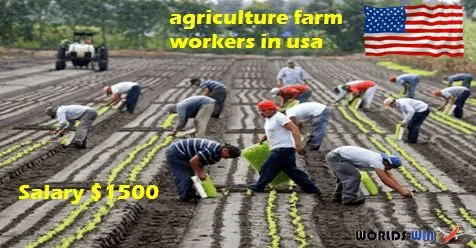
These are the most common jobs — planting, weeding, harvesting, and packing produce.
🍎 Seasonal Crop Pickers
Work focused on harvest cycles for fruit, vegetables, and specialty crops like berries or grapes.
🐄 Livestock & Dairy Workers
Feeding, milking, caring for animals, maintaining barns — usually more year‑round than seasonal fruit work.
🌱 Greenhouse & Nursery Workers
Indoor agricultural roles like tending plants, propagation, and greenhouse maintenance.
🚜 Farm Equipment Operators
Running tractors, harvesters, irrigation systems — higher pay but requires basic machinery skill.
🧑🌾 Supervisors / Lead Farm Hands
Oversee crews or specialized processes. These roles can come with higher hourly rates.
Realistic Pay You Can Expect (2026)
How much you earn depends on the job, location, and season:
💵 Typical Pay Ranges
-
Entry / Seasonal Farmworkers: ~$12–$18 per hour (~$25,000–$37,000/year for full‑time seasonal)
-
Livestock & Dairy Workers: ~$14–$20 per hour (~$30,000–$42,000/year)
-
Farm Equipment Operators: ~$16–$22 per hour (~$32,000–$45,000/year)
-
Supervisors / Farm Technicians: ~$18–$30 per hour (~$38,000–$62,000/year)
Many farms also offer overtime pay, housing assistance, or transportation support especially for seasonal work under official programs.
Seasonal vs. Year‑Round Work
Most U.S. farms hire seasonal workers tied to planting and harvest cycles, especially for fruits and vegetables. These jobs often last several months and may be busiest in spring, summer, or fall depending on the crop.
Some jobs — like livestock or greenhouse work — may run year‑round, especially in dairy regions or commercial greenhouses.
What Farm Work Actually Feels Like
Be honest with yourself:
This work is physical and outdoor‑based. You’ll be doing things like:
-
Bending, lifting, walking long distances
-
Working in hot sun or cold weather
-
Sorting and packing produce
-
Feeding and caring for livestock
-
Driving or operating farm vehicles
You need good stamina and a willingness to work hard — not all farm jobs are sheltered or slow.
Can Foreign Workers Get Farm Jobs in the U.S.?
Here’s the key reality most people overlook:
🇺🇸 Yes — but only through proper legal channels.
The most common way non‑U.S. residents work on farms is through the H‑2A visa, a temporary agricultural worker program for seasonal or short‑term farm labor. It’s real and legal but comes with requirements:
✔ Employers must prove they can’t find enough U.S. workers before hiring foreign H‑2A workers.
✔ Jobs must be seasonal or temporary (up to about 10 months).
✔ Wages must meet the Adverse Effect Wage Rate (AEWR) — basically the local average farm wage — which is often $14–$22/hr depending on the state.
✔ Employers must provide safe housing and transportation if workers are housed away from their homes.
This visa is widely used: in recent years, hundreds of thousands of farm job certifications have been issued under H‑2A as employers grapple with labor shortages.
No other easy “work visa” exists for general farm work in the U.S.; H‑2A is the main legal route for foreign agricultural labor.
⚠ Important: You cannot legally work on a tourist visa or without authorization. Securing an H‑2A job requires a job offer and employer sponsorship before you apply for the visa.
Where Farm Jobs Are Most Common
Farm jobs pop up across the U.S., but some states have exceptional demand:
📍 California – fruit and vegetable farms
📍 Florida & Georgia – citrus, vegetables
📍 Texas – cattle, row crops
📍 Washington & Oregon – berries and tree fruits
📍 Midwest states (Wisconsin, Michigan) – dairy and livestock
Prices and wages are typically higher in areas with strong agricultural output like California or Washington.
Where to Find Farm Jobs (Real Strategy)
🧑🌾 Official Job Portals
-
SeasonalJobs.dol.gov – U.S. Department of Labor listings
-
USDA Agricultural Hiring Sites – direct postings from farms and farm labor contractors
📍 Farm Labor Contractors
Many farms use contractors to recruit workers legitimately — especially for H‑2A roles.
📩 Job Boards
Indeed, AgHires, and local classifieds often list farm work — but always check if visa support is offered before applying.
🤝 Networking
In agricultural communities, word‑of‑mouth and local farm associations often have openings.
Avoid any recruiter that asks for money upfront — that’s a common scam in seasonal farm recruiting.
Pros & Cons — Honest Take
👍 Pros
✔ Jobs available even without a degree
✔ Many seasonal roles with free or low‑cost housing
✔ H‑2A visa exists to hire legal foreign workers
✔ Overtime often available in peak seasons
👎 Cons
✘ Work is physically demanding
✘ Seasonal jobs may not be year‑round
✘ H‑2A visa requires employer sponsorship and timing matters
✘ Pay varies a lot by crop, state, and experience
Final Reality Check
Farm jobs in the U.S. are real, abundant, and essential, especially for seasonal production. They range from entry‑level field labor to more advanced equipment operation. Pay is not high by corporate standards, but with seasonal bonuses, housing support, and overtime it can be workable — especially in rural areas.
For foreign workers, the only legal pathway to these jobs is generally the H‑2A temporary agricultural visa, which requires an employer willing to sponsor you, pays at least the required local wage, and connects you to a specific contract before you enter the U.S. That’s the honest structure — no shortcuts.