Farm Jobs in Ireland (2026 Guide)
Ireland’s agricultural sector is a significant part of the economy — dairy, livestock, fruit and vegetable farming, and crop work all employ hundreds of thousands of people. There’s genuine demand for farm workers, especially during harvest and peak seasons, and Ireland now even has specific visas aimed at bringing in seasonal agricultural workers.
But let’s be clear and candid about what “farm jobs” means in Ireland, who gets hired, what you’ll do, what you’ll make, and how the visas actually work.
Types of Farm Jobs in Ireland
Farm work covers a range of roles — from basic physical labor to more specialized duties:
🌾 Crop & Fruit Picking
Harvesting fruit and vegetables by hand, sorting, grading, and packing. Many farms hire workers seasonally during peak harvest months (often summer to early autumn).
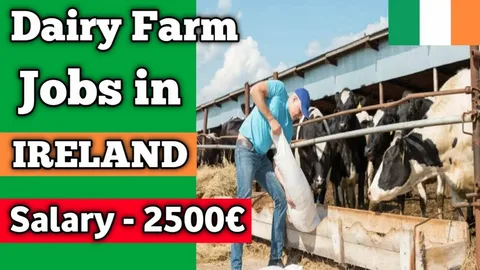
🐄 Dairy Farm Worker
Caring for cattle, feeding, milking (manual or automated), cleaning barns, and animal welfare tasks. Dairy farms are a major employer in rural Ireland.
🌱 Vegetable Greenhouse / Horticulture
Planting, watering, weeding, harvesting crops grown in greenhouses or polytunnels — often year‑round or seasonal.
🧑🌾 General Farm Labourer
Basic hands‑on agricultural work: moving equipment, repairing fences, assisting with crop preparation, assisting with livestock, and tasks farmers need daily.
🚜 Machinery Operators / Skilled Roles
Operating tractors and machinery, crop spraying, irrigation systems — these tend to pay better but require experience or training.
Some of these roles can be seasonal, while others may be full‑time year‑round positions depending on the farm and location.
Real Pay You Can Expect
Pay varies by job type, skill level, and whether the work is seasonal or permanent. Here’s a realistic picture for 2026:
💶 Wage Ranges
-
Unskilled Farm Worker / Crop Picker: ~€11.50–€15/hour (~€1,800–€2,500/month) depending on hours and overtime.
-
Seasonal Fruit & Vegetable Work: Often similar hourly wages; fruit pickers, packers, and field hands may earn around €11.30–€14/hr.
-
Dairy Farm Workers: Around €30,000/year (~€10/hr gross) with benefits like accommodation sometimes included.
-
Skilled Agricultural Roles: Specialized machinery operators or supervisory assistants can earn more (some advertised up to €30,000–€40,000+ annually in related farming jobs).
-
Crop Farm Labourers: Some data sources suggest gross monthly earnings of €2,749–€4,333 — but this reflects averages across broad categories, not just seasonal roles.
Note: Irish minimum wage (expected ~€13–€13.50/hour in 2026) applies — employers must at least meet it unless exceptions apply under specific visa programs.
📌 Many employers also provide free or subsidized accommodation, meals, and transport — especially on rural farms — which effectively boosts your net earnings.
What Farm Work Is Really Like
Farm jobs in Ireland are physical and outdoor:
✔ Long days during harvest season
✔ Bending, lifting, walking fields
✔ Working in rain and sunshine alike
✔ Handling livestock or crop tools
✔ Early starts and weekend work during peak months
This isn’t desk work — it’s physical labor that rewards consistency, stamina, and reliability.
Visa & Work Permit Reality (2026)
This is where many people get tangled — and where you need the facts.
🇪🇺 EU/EEA/Swiss Citizens
No permit needed. You can work in agriculture like any other job under freedom of movement rules.
🌍 Non‑EU Citizens
Ireland now has a Seasonal Agricultural Work Visa (SEP) pilot for non‑EU workers, specifically created to meet ongoing farm labor shortages. This is tied to official approved employers and is driven by demand around June–October.
Key points about SEP:
✔ It allows legal seasonal work on Irish farms.
✔ The permit can run ~3–7 months per year; after that you normally must leave and reapply later.
✔ Jobs typically include fruit/vegetable harvesting, dairy assistance, greenhouse work, and general farm labor.
✔ Employers must be Approved Seasonal Employers and submit applications on your behalf.
There is also a General Employment Permit route for more permanent roles, but these require higher minimum salaries (usually €30,000+ per year) and a Labour Market Needs Test.
⚠️ Important: You generally cannot enter Ireland on a tourist visa and then start working — that’s illegal. You must secure a job offer and proper work permit before you arrive.
Where Farm Jobs Are Most Available
Agricultural jobs are scattered across Ireland — but some areas have especially high demand:
📍 Cork & County Kerry – dairy, livestock, and crops
📍 Wexford & Waterford – fruit and vegetable harvesting
📍 Galway, Clare, Tipperary – mixed farming and livestock
📍 Midlands & Border Regions – general farm labor and livestock work
Rural counties tend to have more positions because industrial farming is more common there.
Where to Find Farm Jobs (Smart Strategy)
🧑🌾 Irish Job Boards
-
Indeed Ireland – daily listings for farm and seasonal jobs
-
Jobs.ie – roles in agriculture and horticulture
📑 Recruitment Agencies
Some agencies specialize in placing farm workers, including those who assist with approved seasonal employers.
📩 Direct Farm Contact
Many smaller farms list openings on local classifieds or through community boards.
Pros and Cons — No Nonsense
👍 Pros
✔ Work available to people with minimal experience
✔ Seasonal visas specifically exist for agricultural jobs
✔ Accommodation and travel support are often provided
✔ Pays above minimum wage (especially skilled or overtime work)
👎 Cons
✘ Work is physically demanding
✘ Seasonal jobs may not be year‑round
✘ Visa sponsorship requires a legitimate job offer and approved employer
✘ English proficiency helps but isn’t always mandatory
A Typical Workday (What to Expect)
-
Field work: Picking, bending, carrying crates
-
Livestock: Feeding and tending animals, mucking out barns
-
Greenhouses: Planting, trimming, irrigation tasks
Wages are often hourly — and during peak seasons, you may work 40–60 hours/week with overtime.
Ireland Farm Jobs
Farm jobs in Ireland are real and accessible — especially through the new Seasonal Agricultural Work Visa and employer sponsorship for full‑time roles.
But success depends on:
-
Securing a job offer from an approved employer
-
Understanding wages and conditions
-
Applying for the correct visa before arrival
-
Being physically fit and ready to do hands‑on work
Approach these opportunities with legal planning and realistic expectations, and they can be a stable way to earn and gain experience in Europe’s agricultural sector.