Factory Worker Jobs in Ireland (2026 Guide)
Factory jobs remain one of the most accessible and consistently available employment options in Ireland — especially in manufacturing, food processing, packaging, and logistics hubs around cities like Dublin, Cork, Galway, Limerick and elsewhere. These roles don’t generally require advanced degrees, they hire constantly, and they can lead to stable work experience and potential career growth.
But let’s be clear: these jobs are work‑intensive, often entry‑level, and the visa situation for non‑EU workers isn’t automatic. You need the right expectations and a strategy if you’re aiming to work in Ireland long‑term.
What “Factory Work” Actually Includes
In Ireland, factory jobs cover a broad range of production and support roles, such as:
🔹 Production Operatives / Line Workers — assembling, packing, sorting goods
🔹 Machine Operators — running manufacturing equipment
🔹 Packaging Staff — preparing products for shipment
🔹 Quality Control Assistants — checking products for defects
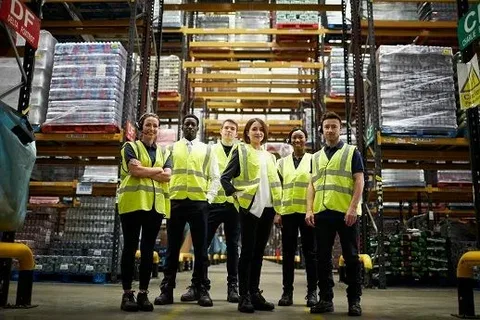
🔹 Warehouse Operatives — organizing inventory and moving stock
🔹 Maintenance Technicians — fixing and servicing machinery
🔹 Supervisors & Team Leads — guiding workforce and ensuring production targets are met
Many factories are in food & beverage, electronics, pharmaceutical, automotive, and general manufacturing sectors. Most entry jobs require no advanced qualifications — experience on the job or minimal training is often enough to get started.
Real Pay You Can Expect (2026 Figures)
Factory worker pay in Ireland is fairly transparent due to published salaries and job ads:
💶 Typical Salaries (Annual / Hourly)
-
Entry‑Level Factory Worker / Production Operative: ~€25,000–€30,000 per year (€11–€14/hr)
-
Machine Operator / Skilled Production Staff: €30,000–€35,000+ per year (€13–€17/hr)
-
Warehouse Operative / Packaging Staff: ~€26,000–€32,000 per year (~€13–€16/hr)
-
Production Supervisor / Team Leader: €45,000–€60,000+ per year (for experienced leadership roles)
-
Factory Manager / Senior Roles: €60,000+ to €90,000+ depending on company size and role complexity
According to market salary sites, the national average hourly rate for factory workers is around €12.88/hr — with upper‑end experienced roles closer to €18/hr.
💡 What this means: most factory jobs pay roughly €1,800–€2,500 per month before taxes, depending on shift patterns, experience, and overtime opportunities.
Day‑to‑Day Factory Duties
Factory work is usually shift‑based and involves:
✔ Standing or moving for most of the shift
✔ Repetitive tasks on production lines
✔ Operating and cleaning machinery (once trained)
✔ Following safety and quality protocols
✔ Loading/unloading materials
✔ Teamwork and hitting daily production targets
It’s not glamorous — but it’s steady work if you like structured environments and routine tasks.
Who Employers Are Looking For
Most Irish factories hire workers based on:
✅ Ability to work shifts (including nights/rotating schedules)
✅ Basic English communication skills
✅ Willingness to follow health & safety procedures
✅ Reliability and punctuality
✅ Physical stamina for manual tasks
Many entry positions require no previous experience — training is provided on the job. Some factories (especially larger ones like aerospace or medical device plants) may ask for prior experience for higher‑paying roles, but plenty of manufacturing employers hire newcomers directly.
Visa & Work Permit Reality for Non‑EU Workers
This is the key reality check:
❌ You cannot just arrive on a tourist visa and work.
To work legally, you need authorization — and for factory jobs that pay around €25,000–€35,000 per year, employers must be willing to sponsor a General Employment Permit (GEP). This is possible, but not automatic.
Key points:
-
Employers must prove they couldn’t find a suitable EEA/EU candidate before offering the job to a non‑EU worker.
-
The job offer and contract must exist before the visa application.
-
In many cases, roles below a certain salary threshold (~€34,000 per year) are less likely to be sponsored, because permitting rules set a baseline for GEP eligibility.
That means:
✔ For local workers or EU citizens, factory jobs are readily available.
✔ For non‑EU workers, sponsorship is possible but much more realistic for skilled or supervisory roles rather than basic production roles — unless the employer is willing to apply for a permit and justify it.
If you’re outside Ireland and chasing “visa‑sponsored factory jobs,” be cautious — many posted ads claiming guaranteed visas are either outdated or misleading. Always verify through official immigration routes rather than intermediaries.
Where Factory Jobs Are Most Common
Factory vacancies are typically clustered around:
📍 Dublin – logistics and assembly
📍 Cork – food processing, medical device manufacturing
📍 Galway – electronics and pharma plants
📍 Limerick – engineering and manufacturing hubs
📍 Midlands region – warehousing and packaging centres
Smaller towns also have factories tied to local industries — and many offer shift patterns that suit full‑time schedules.
Advantages of Factory Jobs
👍 Pros
✔ Entry roles available with minimal requirements
✔ Training provided on the job
✔ Steady, full‑time work with shift flexibility
✔ Overtime can boost earnings
✔ Larger employers often offer benefits (pension, health contributions)
👎 Cons
✘ Work can be repetitive and physical
✘ Senior or technical roles pay better than basic production
✘ Visa sponsorship for basic roles is not guaranteed
✘ Night or rotating shifts are common
Factory jobs aren’t easy — but they’re consistent. Many workers treat them as stable employment while building skills for future advancement.
Career Growth in Manufacturing
Factory work isn’t a dead end. With experience, you can move into:
📈 Team leader / shift supervisor
📈 Quality control or inspection roles
📈 Machine technician / maintenance roles
📈 Warehouse management
📈 Production planning / logistics coordination
📈 Operations or supervisory management
Supervisors and technical workers often earn significantly more — sometimes €45,000–€60,000+ per year — and these positions are more likely to qualify for visa sponsorship due to higher pay and skills requirements.
How to Find Factory Worker Jobs in Ireland
Here’s how people actually get hired:
🔍 Job Boards
-
Indeed Ireland – huge daily listings
-
Jobs.ie – production and manufacturing roles
-
LinkedIn – large employers and agency postings
🧑💼 Recruitment Agencies
Agencies specializing in industrial staffing often place workers quickly — and some assist with documentation for sponsored roles.
🤝 Networking & Local Presence
Applying in person and through local referrals sometimes works better than online alone.
Final Take — No Sugar‑Coating
Factory worker jobs in Ireland are real and available, and they can provide stable income, skills, and experience — especially if you’re already legally eligible to work in the country.
For EU/EEA citizens or those with work permits, these roles are straightforward to apply for and start quickly. For non‑EU workers, visa sponsorship is possible but can be tricky for basic entry production jobs unless the employer is willing to go through permit processes — often easier for skilled, supervisory, or higher‑pay roles.
Approach these opportunities practically: understand employer requirements, verify job offers before making any relocation decisions, and always prioritize roles with legitimate contracts.